

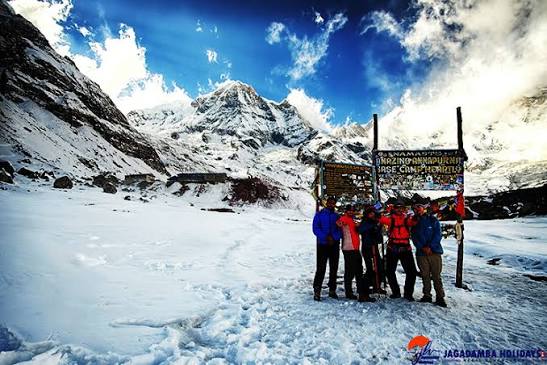
Chugging up endless stone steps requires a ton of raw leg power and lungs that actually work. Your entire body needs a lot of prep before you deal with the intense, high-elevation mountain paths. Skipping your gym sessions early on will make the long mountain holiday feel completely miserable. This straightforward guide shows you exactly how to build your stamina for the upcoming ABC Trek journey.
Building Your Leg Strength
Daily step workouts make climbing those massive stone stairs much easier on your joints. You should walk up steep neighborhood hills or try apartment steps every single week. Squats build up your quad muscles so your knees do not ache on the rocky trail. Throwing bricks inside your canvas pack during practice walks copies the actual trail conditions perfectly. Stronger legs prevent painful muscle cramps when pushing through the long uphill sections. Hard workouts ensure you keep moving forward without needing constant rest stops.
Improving Your Cardio Stamina
Jogging or swimming builds up your lung capacity for the thin mountain air up high. Your ticker has to push oxygen through your bloodstream like crazy the second you pass the tree line. Hitting the gym for a sweat session three times a week gets your lungs ready for the thin mountain air. Doing this regular cardio work means you won’t be gasping for breath on the steep paths during Annapurna Trekking weeks. Skipping these workouts makes the morning climbs to the next lodge painful.
Practicing Balanced Walking Rhythms
Moving with a slow steady pace saves your physical energy on long mountain days. Fast walkers often burn out their leg muscles before reaching the afternoon rest spots. You need to maintain a short stride when climbing up giant rock steps. Utilizing dual trekking poles takes substantial weight off your sore knees and lower back joints. Keeping an even breathing pattern helps you stay relaxed while moving across rough gravel paths. Small breaks give your body time to recover properly.
Understanding Mountain Altitude Changes
Moving up very slowly helps your red blood cells adapt to lower oxygen levels naturally. Going up too fast gives your brain a wicked throbbing headache because the air pressure drops. Gulping down water constantly throughout the day helps fight off the dry, freezing air currents. You really need to avoid drinking alcohol because it slows down your natural acclimatization process on hills. Listening to your local guide ensures you stay safe when the mountain track gets steep and cold later in the day.
Eating Proper Trail Nutrition
Consuming high energy food gives your muscles the fuel required for long days. Trailside kitchens cook up massive plates of steaming lentils and white rice every single day. This simple local dish gives your body the exact carbs and proteins needed to rebuild muscle. Snacking on nuts or dried fruits between meals keeps your blood sugar levels perfectly stable. You must eat enough food even if the high altitude decreases your normal appetite on the upper trail stages each single afternoon walk here.
Mental Preparation For Walking
Having a positive attitude helps you overcome the tough physical parts of the trip. Some trail sections are very steep and test your mental focus completely. Walking through cold rain or thick hill fog requires patience and a calm clear mind. Just look down at your boots and take one step rather than staring at the peak. Pushing through the exhaustion helps you enjoy the views when your legs feel completely heavy and cooked from the climb.
Conclusion
Preparing your body properly ensures your mountain holiday stays highly rewarding. Good fitness lets you look at the massive peaks without getting exhausted. You can easily book a safe custom tour package through peacenepaltreks.com to hike with experienced local guides. Early training makes the big Himalayan walking journey fully fun and safe.